
Velvet giftware
-

-

-


-


-

-

-

-

- Material
- Velvet
- Size in cm
- 11 x 15,5 x 5
-

-

-


-

-

-

-

-

-

- Material
- Velvet
- Size in cm
- 11,5 x 4,5
-

-

- Material
- Velvet
- Size in cm
- 11,5 x 4,5
-

-

-

- Material
- Velvet
- Size in cm
- 11,5 x 4,5


Velvet giftware
In northern India, in the region around Delhi, there is an embroidery tradition that goes back to the courts of the Mughals, the imperial dynasty that ruled the Indian subcontinent from the sixteenth to the nineteenth century. Two techniques come together on textiles like these: zardozi for the metal-thread work and aari for the beads and sequins.
Zardozi
The best-known form is zardozi: embroidery with metal thread, in which gold- and silver-coloured threads are laid in relief across the fabric. It was originally reserved for ceremonial dress and temple textiles, worked in real gold and silver thread. At the Mughal courts it was applied on a large scale to clothing and wall hangings. Today the same coloured metal thread is used, which has made the technique affordable without losing its character.
Aari
Alongside zardozi, aari is often used, named after the hooked needle it is worked with. That needle sets chain stitches and, in a single movement, fastens beads and sequins to the fabric. It is fine, regular work, well suited to the dense, glittering patterns you see on textiles of this kind. In practice the two techniques meet on a single piece: the metal thread gives the outlines and the relief, the aari work fills the areas with beads and shine.
These embroidery techniques call for a ground firm enough to carry the weight of thread and beads, yet fine enough to let the embroidery speak. Velvet is ideally suited to this. Its short, dense pile catches the light differently from the embroidery, so the embroidered motifs stand out against a matte, deep background. It is one of the reasons velvet is so often chosen as the ground for this work.
Embroidered velvet at Phoenix Import
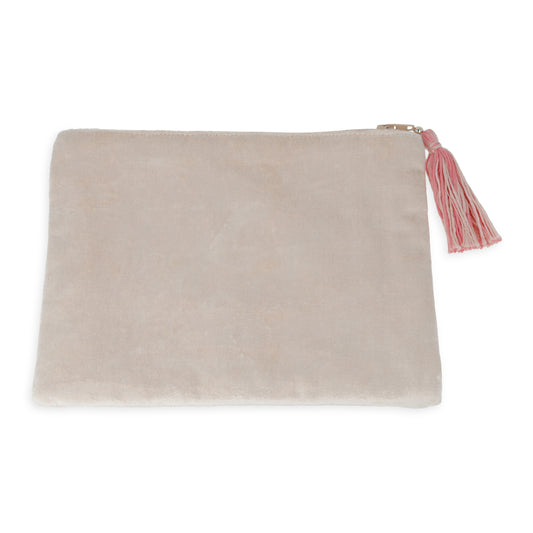
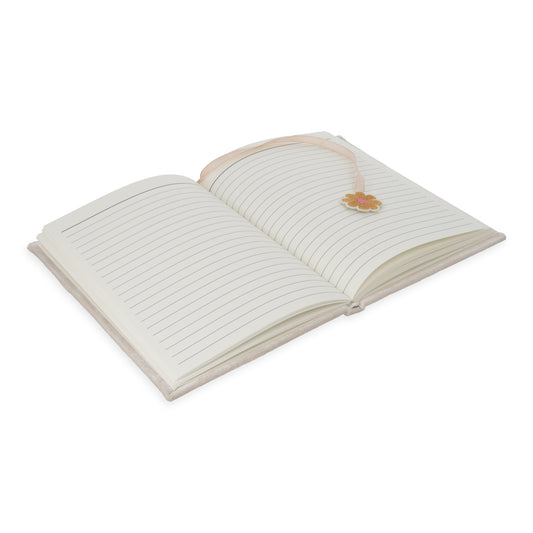
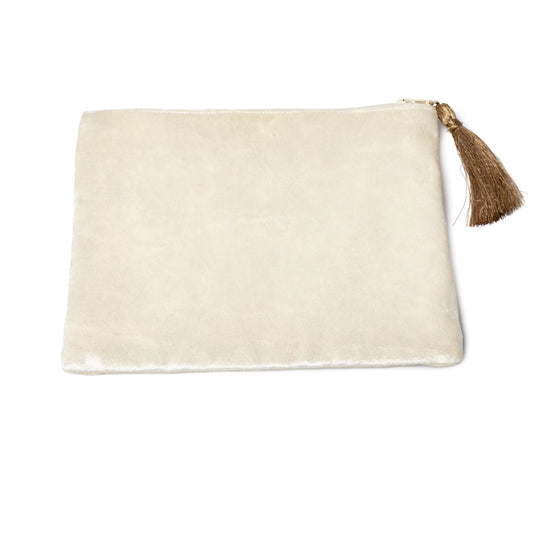
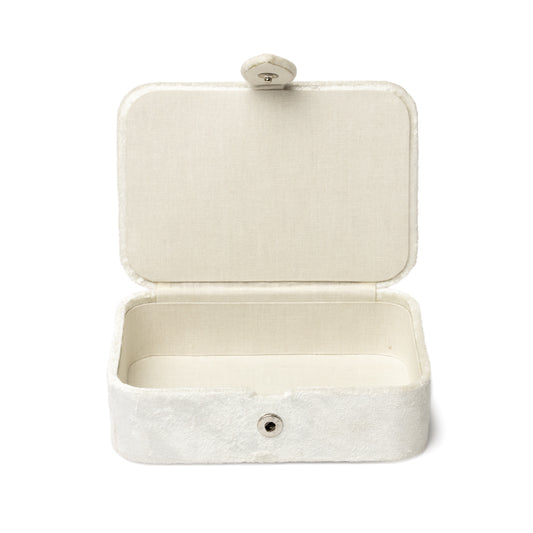
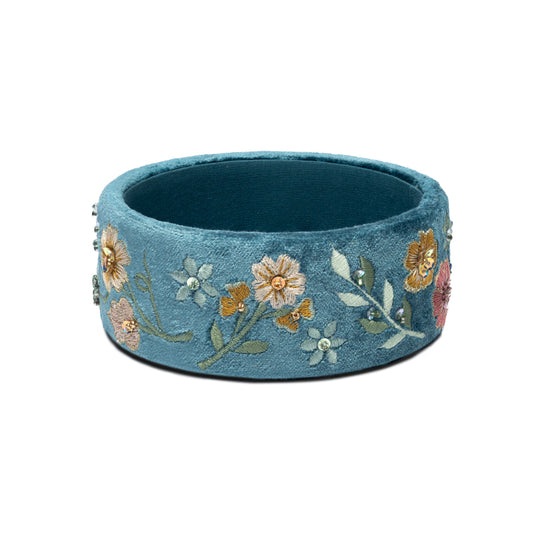
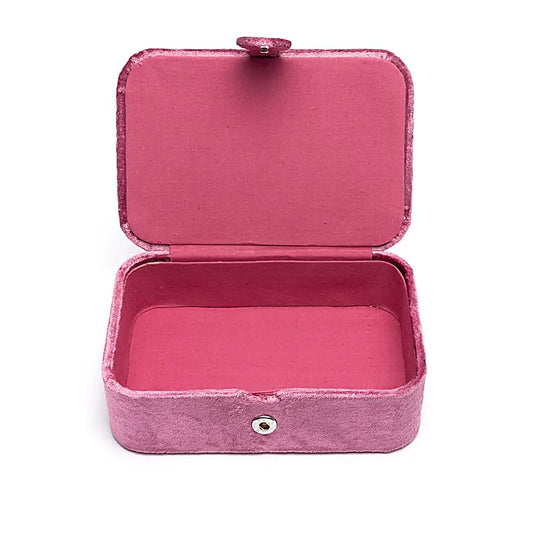
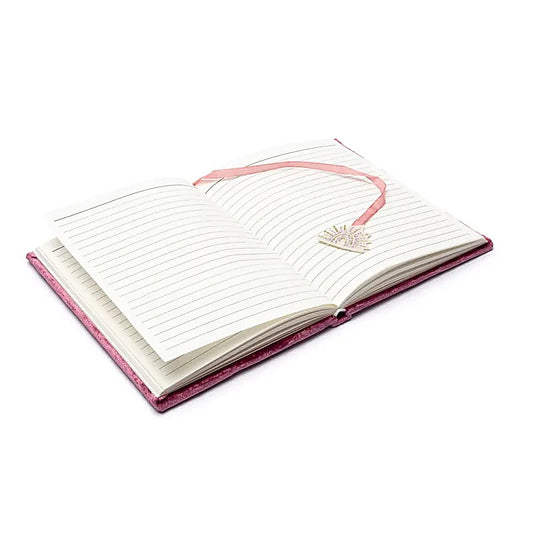
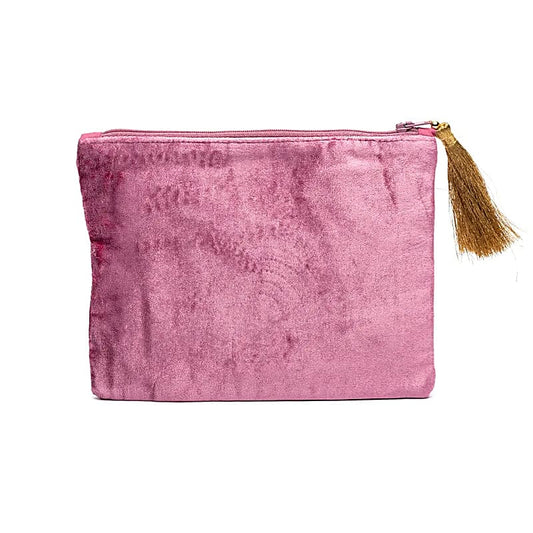
That very interplay is what you see on our velvet giftware. The trinket boxes and pouches are made of velvet and embroidered with metal thread, beads and sequins, in motifs such as Ganesha, mandalas, moon phases and floral vines. The embroidery stands in the tradition of North Indian zardozi and aari work and brings that style to everyday objects. This makes them practical keepsake boxes that also tell you something about where they come from.